1
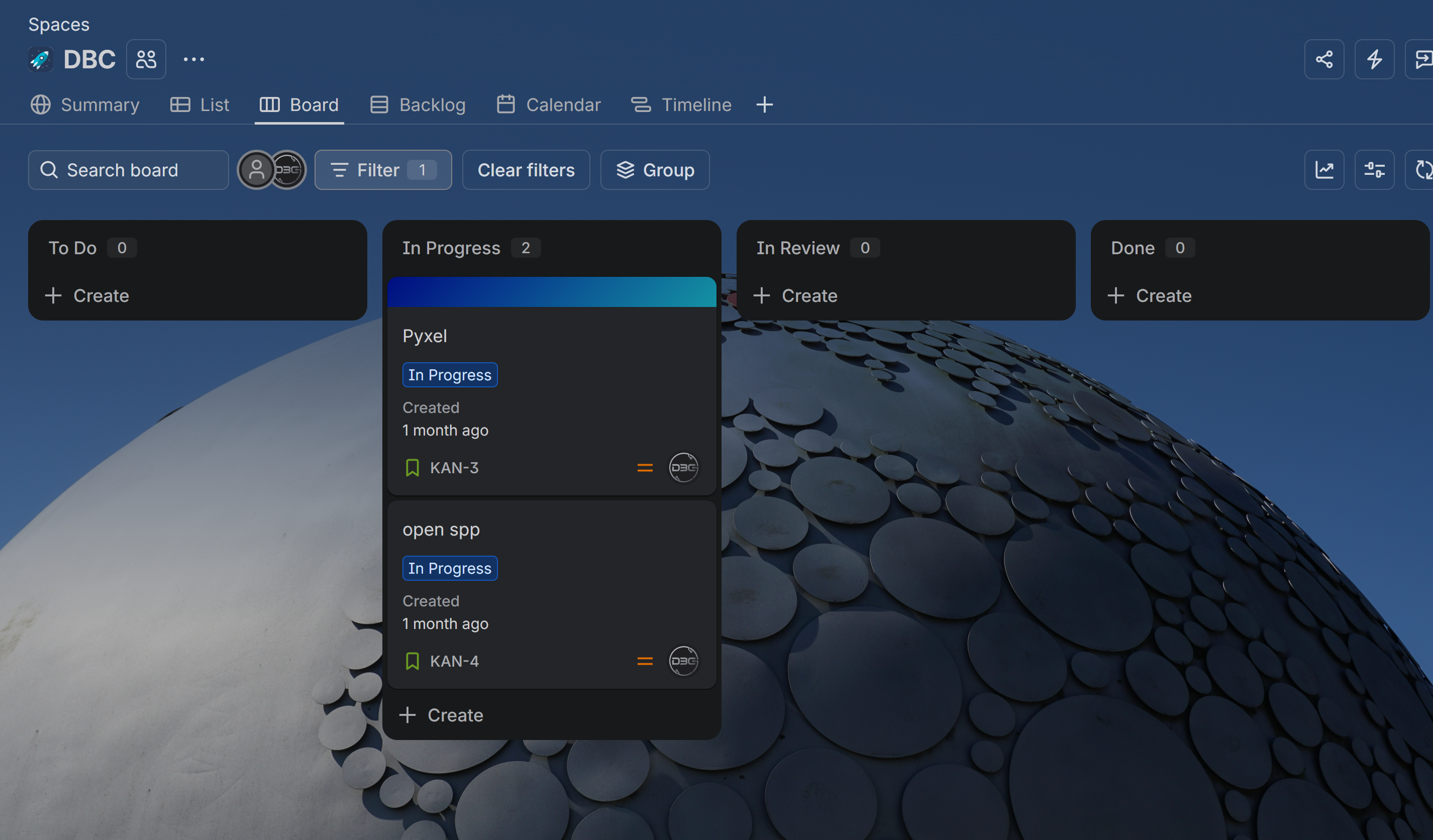
Plan
Work is broken into tracked tickets on my board, moving through To Do, In Progress,
In Review, and Done. Every task maps to an epic and a clear outcome, so progress is
always transparent.

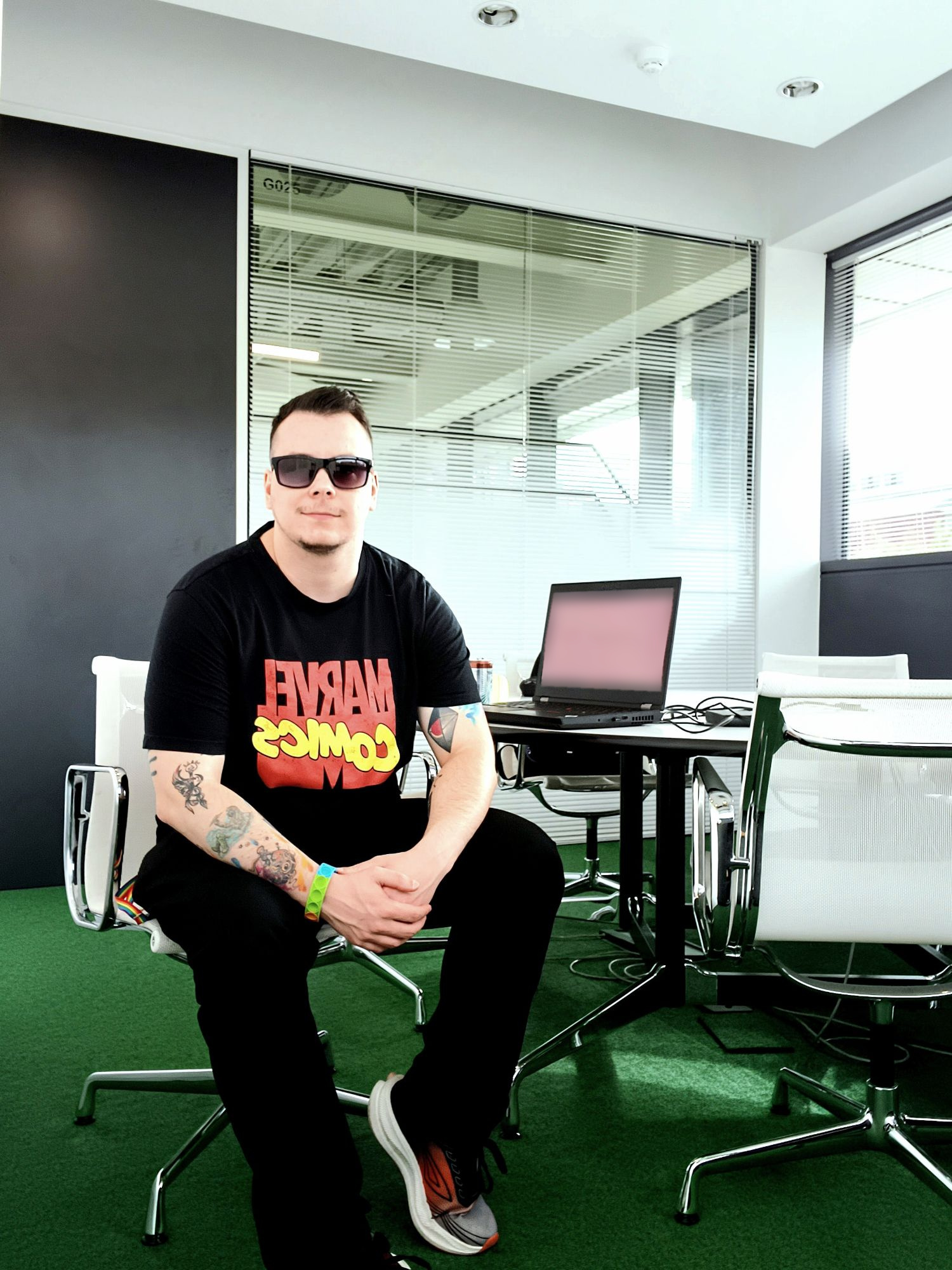
Doby Baxter Computing is my independent software engineering practice, based in Sheffield and working remotely with clients anywhere. My work is software reliability: finding the quiet failures before your customers do, for fixed prices agreed before any work starts. No account managers and no hand-offs: you work with me directly.
I'm Doby Baxter, a software engineer with 4+ years in Python, developer tooling, scientific software, and AI infrastructure. One rule sits under all of it: software should never fail a person in silence. I build systems that stop invalid states early, explain failures in words a person can act on, and keep the responsibility with the software.
That rule is not a market position. It came from years inside systems that failed me quietly, and it is written down as a standard anyone can use, on the Philosophy page.
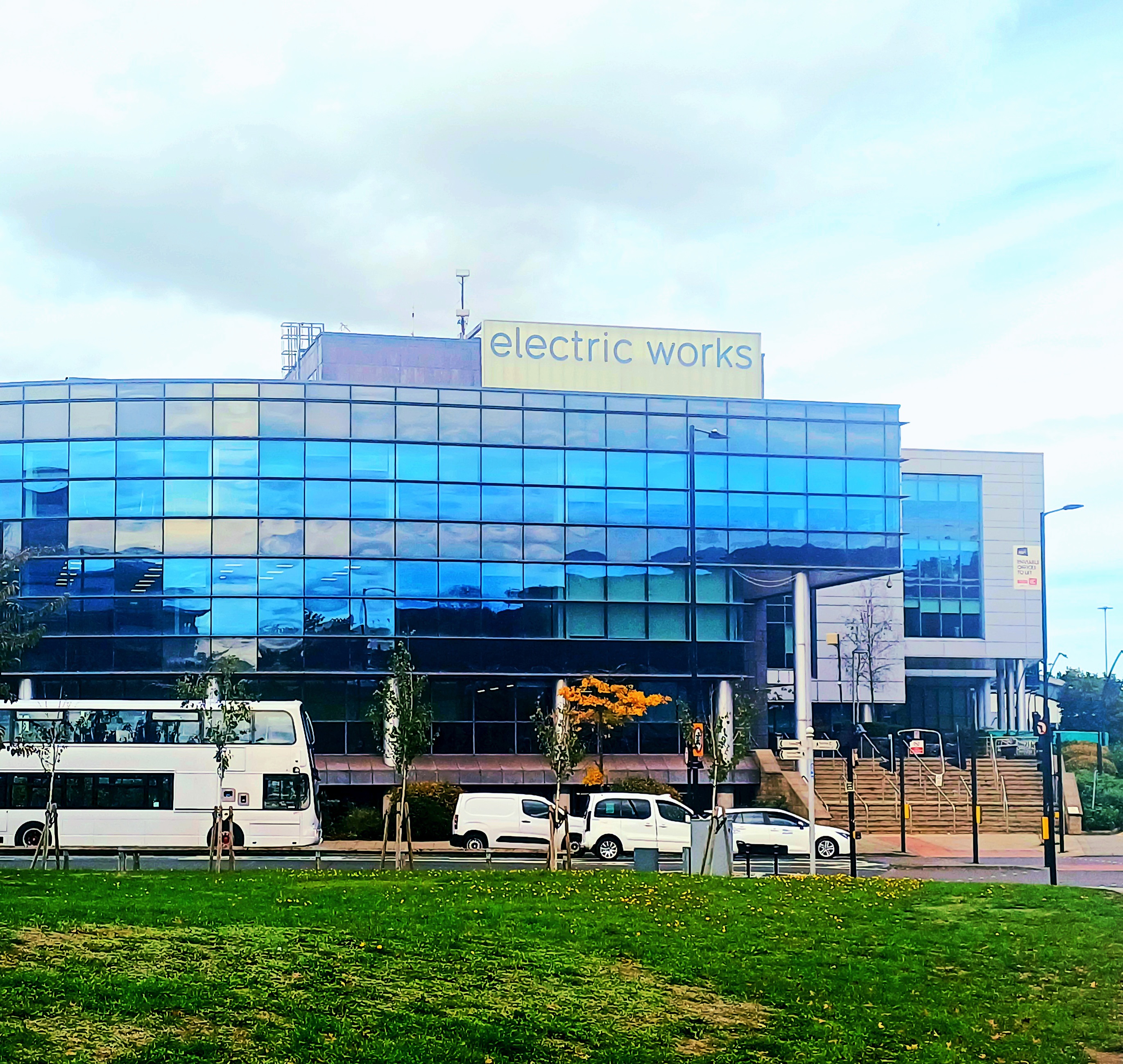
Doby Baxter Computing is based at Electric Works, the digital and creative hub opposite Sheffield station. Every engagement is fully remote, so you never need to travel to me.


Click or tap a photo to see it bigger.
"Doby has demonstrated strong technical skills, thoughtful system-level thinking, and a clear focus on usability and maintainability. He played a key role in developing innovative tooling driven by real user and community needs. He is proactive, reliable, and communicates clearly, particularly when working on complex or cross-cutting features."
| < Technical Competencies /> | |
|---|---|
| AI Engineering | LangGraph • MCP • RAG • ROS2 • Vector Databases • LLM Evaluation • Structured Outputs • Prompt Engineering |
| Programming | Python • TypeScript • JavaScript • Node.js • Bash |
| Cloud & Developer Tooling | Azure AI Foundry • Git • GitLab CI/CD • Docker • Linux • PyPI • OpenTelemetry |
| Architecture & Validation | JSON • YAML • JSON Schema • AJV • Configuration Validation • Deterministic Workflows |
| Systems & Security | Secure Configuration • Input Validation • Wireshark • Nmap |
| Scientific Software | Detector Simulation • Technical Writing • Open Source Collaboration |
| Communication, Enablement & IT Mentoring | Translating technical concepts for non-technical audiences, as an engineer and as an IT mentor • Technical writing • User-facing documentation & learning resources • Developer enablement |
| PLC (Industrial Automation) | Ignition SCADA (Perspective) • Siemens TIA Portal • CODESYS • Ladder Logic • Motor Control • PLC Simulation & Debugging |
| Engineering Experience |
|
Ongoing contribution to OpenTelemetry, the CNCF observability standard, on its GenAI and agentic semantic conventions. It is standards and design work rather than merged code: analysis, friction reports, and collaborative proposals.
Instrumented my LLM Workflow Router with the OpenTelemetry GenAI semantic conventions and documented where they fit poorly for a content-blind, deterministic enforcement layer that takes part in execution without generating anything.
That friction log became a collaborative proposal in the semantic-conventions discussion, turning a set of concrete gaps into a direction the community could take up together.
Contributed analysis to the agentic-authorization discussion on how producer-emitted agent scores can signal when the measurement itself changed, not only when the agent did.
My workflow keeps every piece of work traceable, from the first planning ticket to the delivered case study, and each stage leaves a visible, verifiable trail. This is what working with me looks like in practice.
This shows how I work, not what I disclose. Client projects stay private: everything shown here is open-source work, public contributions, or anonymized demonstrations, never confidential client material.
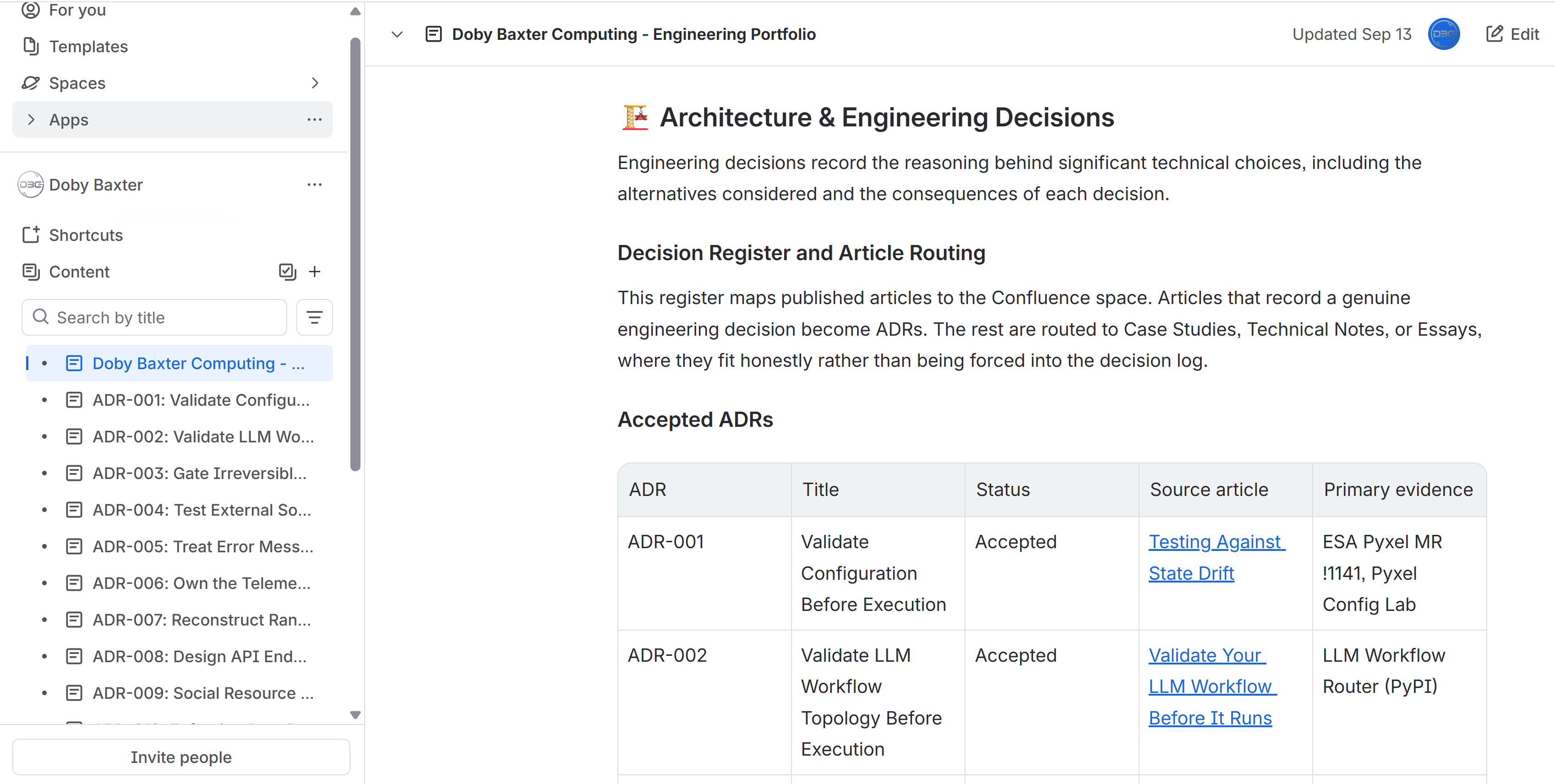
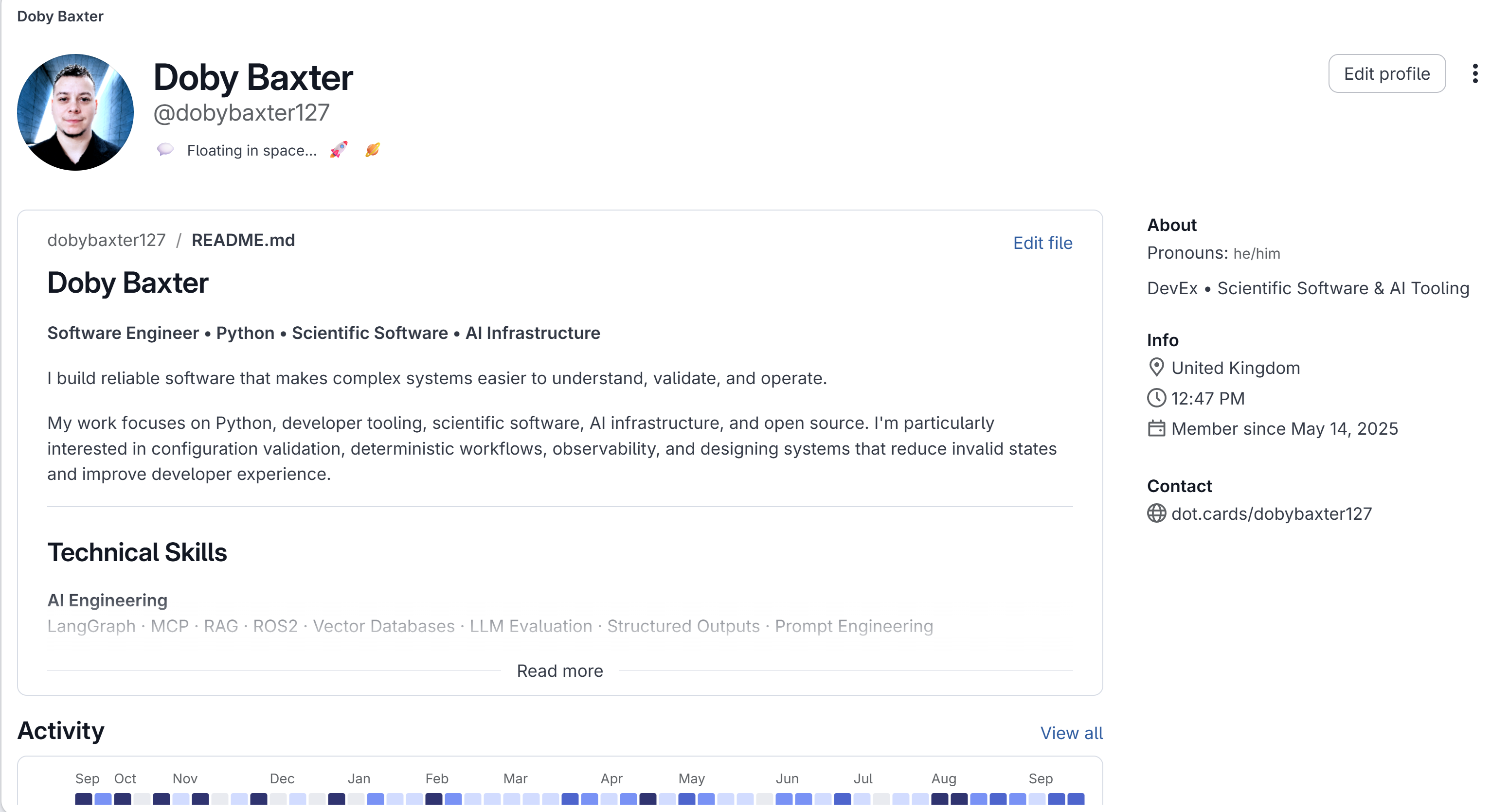
Download this workflow as a free sheet and use it on your own projects. It covers the five stages above, the loop I use to prototype with AI, and the validation checks I run before I call anything done.
Download the free workflow sheet (PDF)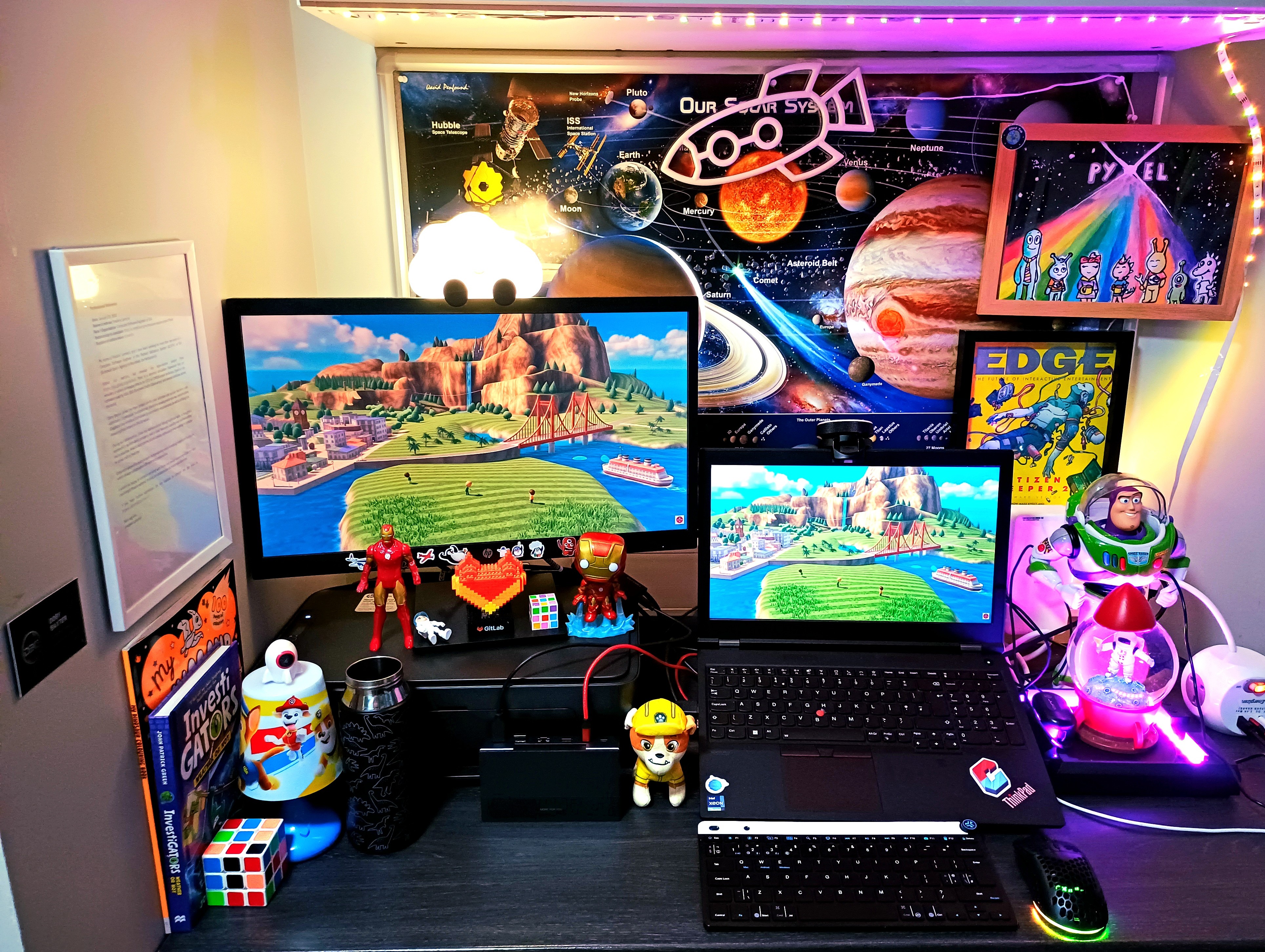
Six musts a system needs to be fit for purpose, whether it is a client's pipeline, an open-source tool, or a public service I depend on. The shortest of them: failing is allowed, failing quietly is not.
This is where the standard comes from. Every one of the six musts I hold a system to, set out on the Philosophy page, is a failure I met from the other side first.